What Are Infectious Diseases?
Understanding Transmission,
Types, and Prevention
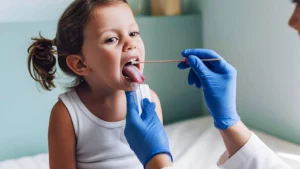
Infectious diseases are a constant presence in our global community,
from the common cold to more serious conditions like influenza or COVID-19.
But what exactly are they, and how do they impact our health and society?
This guide breaks down the essentials of infectious diseases,
providing you with the knowledge to better understand
and navigate the world of pathogens.
What Defines an Infectious Disease?
An infectious disease is an illness caused by harmful organisms,
known as pathogens, that enter your body from the outside.
These pathogens are contagious, meaning they can spread from person to person,
from animal to person, or through contaminated surfaces, food, or water.
What distinguishes them from other diseases, like heart disease or cancer,
is this external, transmissible cause.
The agents responsible for infectious diseases are diverse and include:
Bacteria: Single-celled organisms that can survive in various environments.
While many bacteria are harmless or even beneficial,
some cause illnesses like strep throat, tuberculosis,
and urinary tract infections.Viruses: Even smaller than bacteria,
viruses require a living host to multiply.
They invade your body’s cells
and disrupt their normal function,
causing diseases such as the flu,
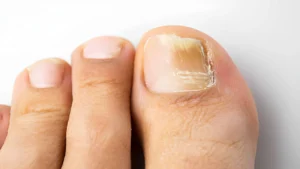
HIV/AIDS, COVID-19, and the common cold.Fungi: From athlete’s foot to ringworm,
various fungi can cause infections,
particularly on the skin, nails, or lungs.Parasites: These organisms live on or in a host
and derive nutrients at the host’s expense. Malaria,
caused by a parasite transmitted
through mosquito bites, is a prime example.
How Do Infectious Diseases Spread?
(Modes of Transmission)
Understanding how these
diseases move through
a population is key to prevention.
The main transmission routes are:
Direct Contact: Person-to-person spread through physical touch,
kissing, coughing, sneezing,
or contact with bodily fluids.Indirect Contact: Touching a surface or object contaminated
with pathogens (like a doorknob or towel)
and then touching your face.Vector-Borne: Transmission via an intermediate carrier, like a mosquito, tick, or flea.
Food and Waterborne: Consuming contaminated food or water,
often due to improper handling or sanitation failures.Airborne: Inhaling tiny, pathogen-containing droplets that
can remain suspended in the air over time and distance.
Common Types and Their Global Impact
Infectious diseases range from mild, self-limiting infections to severe,
life-threatening conditions. Some major categories include:
Respiratory Infections: Influenza, COVID-19, tuberculosis, and pneumonia.
Gastrointestinal Infections: Norovirus, Salmonella, and E. coli, often causing diarrhea and vomiting.
Sexually Transmitted Infections (STIs): HIV, chlamydia, gonorrhea, and syphilis.
Vector-Borne Diseases: Malaria, Lyme disease, and dengue fever.
The global impact is profound.
They are a leading cause of death worldwide,
particularly in low-income regions with limited access to healthcare,
clean water, and sanitation. Outbreaks can also strain economies,
disrupt travel, and overwhelm health systems.
Your Best Defense: Prevention and Public Health
While infectious diseases are formidable, effective strategies exist to protect yourself
and your community.
Vaccination: This is one of the most powerful tools
in public health history.
Vaccines safely train your immune system to recognize
and fight specific pathogens,
preventing diseases like measles, polio, and tetanus.Hygiene Practices: Simple, consistent habits are highly effective.
Handwashing: Wash with soap and water for at least 20 seconds,
especially before eating and after using the restroom.Respiratory Etiquette: Cough or sneeze into your elbow or a tissue.
Food Safety: Properly cook, store, and handle food.
Public Health Measures: Surveillance, outbreak investigation,
clean water infrastructure,
and public education form the backbone of community protection.
Diagnosis and Treatment: How Medicine Responds

If an infection is suspected, doctors
may use tests like blood work,
cultures, or imaging for diagnosis.
Treatment depends entirely on the cause:
Bacterial Infections: Treated with antibiotics.
It’s crucial to take the full prescribed
course to prevent antibiotic resistance.Viral Infections: Often managed with supportive care (rest, fluids),
as antibiotics are ineffective.
Antiviral medications exist for
specific viruses like influenza or HIV.Fungal and Parasitic Infections: Treated with antifungal or antiparasitic drugs, respectively.
Conclusion: Knowledge is Power
Infectious diseases are an intrinsic part of our world,
but they are not insurmountable.
By understanding what they are, how they spread,
and the proven methods of prevention,
especially vaccination and hygiene,you empower yourself
to make informed health decisions.
Staying updated with credible health information
and following public health guidance are the most effective
ways to safeguard your well-being and contribute to a healthier society.